
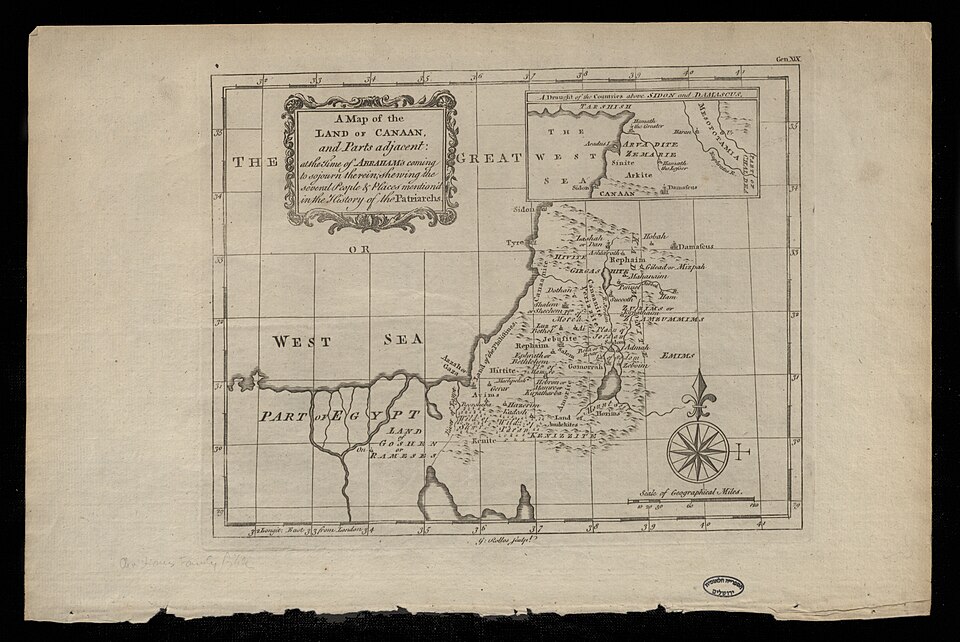
Sodom and Gomorrah are among the most famous cities in all of human history, and yet no confirmed archaeological site has been universally agreed upon. What we know for certain is what Scripture tells us: they were part of five cities situated in a fertile, well-watered plain near the Dead Sea — cities that had grown wealthy and powerful, and cities that had descended into wickedness so profound that God described their "sin" as "very grievous" (Genesis 18:20) and chose to destroy them utterly.
The Cities of the Plain — Sodom, Gomorrah, Admah, Zeboiim, and Bela (also called Zoar) — appear first in Genesis 10:19 as part of the boundary description of Canaan. By the time of Abraham, they were established city-states with kings. Genesis 14 records a military campaign in which four eastern kings defeated five kings of the plain and carried off their goods and people — including Lot. Abraham famously rescued Lot in a night raid with 318 trained men, pursuing the eastern kings as far north as Dan. It was after this battle that Abraham met Melchizedek, king of Salem and priest of the Most High God, who blessed him and received tithes from him — a passage that Hebrews 7 unpacks as a prefigurement of the eternal priesthood of Christ.
By Genesis 18, however, the wickedness of Sodom had risen to heaven. The LORD himself, appearing with two angels in human form, told Abraham that He had come to see "whether they have done altogether according to the cry of it, which is come unto me" (Genesis 18:21). What followed is one of the most remarkable conversations in Scripture — Abraham's intercession on behalf of the cities, negotiating with God from fifty righteous people down to ten. God agreed that if ten righteous people could be found in Sodom, He would spare the whole city. There were not ten.
The two angels entered Sodom in the evening and were met by Lot sitting in the city gate. Lot, recognizing the danger they faced, urgently insisted they stay in his house. That night the men of Sodom — "both old and young, all the people from every quarter" — surrounded the house demanding that Lot bring out his guests so that they could "know them" (Genesis 19:5). Lot's refusal, and his offer of his daughters instead, has generated centuries of theological debate. What is clear is that the angels struck the mob blind, declared that they had been sent to destroy the city, and urgently commanded Lot and his family to flee.
The destruction came at dawn: "Then the LORD rained upon Sodom and upon Gomorrah brimstone and fire from the LORD out of heaven." The entire plain was overthrown — all five cities, all the inhabitants, everything that grew. Abraham, watching from the hills near Hebron, "looked toward Sodom and Gomorrah, and toward all the land of the plain, and beheld, and, lo, the smoke of the country went up as the smoke of a furnace" (Genesis 19:28). Lot's wife, looking back against the angels' explicit command, became a pillar of salt. Lot and his two daughters escaped to Zoar, the one city spared at Lot's request.
The destruction of Sodom and Gomorrah became the defining biblical archetype of divine judgment on human wickedness. It is referenced repeatedly throughout both Testaments — by Isaiah, Jeremiah, Ezekiel, Amos, Zephaniah, Jesus himself, Peter, and Jude — always as the supreme example of God's justice against unrepentant sin, and always as a warning to those who would follow the same path. Jesus used it as a benchmark of accountability: "It shall be more tolerable for the land of Sodom in the day of judgment, than for thee" (Matthew 11:24).